The Two-Hour Sauce Session That Makes Weeknight Cooking Feel Easier
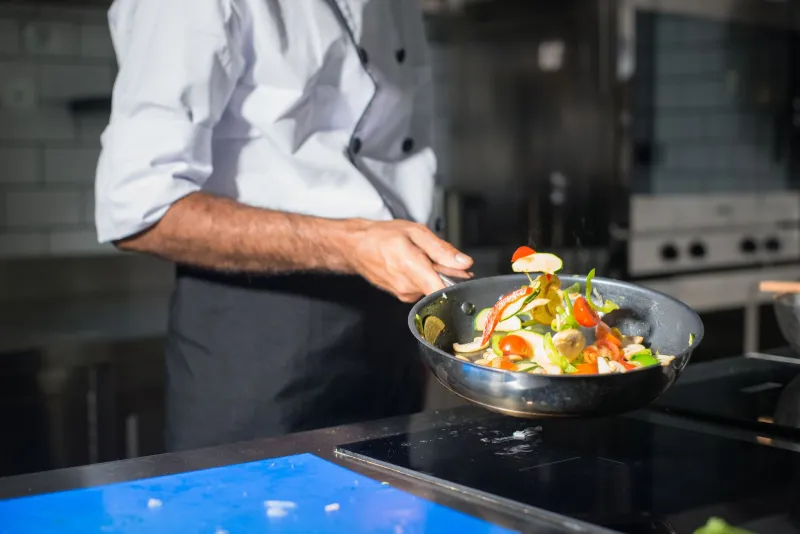
There is a moment in many home cooks' lives when dinner stops being about what is on the plate and starts being about what is spooned over it. A chicken breast is fine. The same chicken breast with a sharp, buttery pan sauce is suddenly something you would order. That is the quiet power of sauce. It does not need expensive ingredients or a restaurant pass. It needs a bit of technique, a little confidence and someone to show you the cues. A two-hour sauce class can do exactly that.
Why sauces quietly do the heavy lifting
Sauces are the difference between ingredients and dinner. They add moisture, flavour and a sense of purpose. In the UK, most of us already make them without thinking: gravy at Sunday lunch, cheese sauce for cauliflower cheese, a quick dressing from a jar of mustard and some oil. A good sauce class does not dismiss those skills. It builds on them. It shows you why a roux thickens, how a pan sauce comes together from the sticky bits left after frying, and how a squeeze of lemon can rescue something that tastes flat. Once you see the pattern, you can improvise.
What two hours can realistically cover
You will not master all five French mother sauces in a single evening, and any class that claims otherwise is probably a demonstration with a lot of watching. What a good two-hour session can do is give you one or two reliable techniques and enough repetition to remember them. You might make a roux and turn it into a cheese sauce. You might fry pork chops, deglaze the pan with stock and finish with butter. You might shake a vinaigrette in a jam jar and taste it until the balance is right. That is plenty for one session. The aim is not to become a saucier. The aim is to leave with a method you can repeat at home.
What to look for in a sauce-focused class
Start with the format. Hands-on time matters. A class where you watch the tutor make three sauces and then take home a recipe pack is not the same as one where you make your own. Small groups help because sauces are about timing and taste, and you need someone to tell you when your roux smells nutty rather than raw.
Look at the syllabus too. A good class should cover more than hollandaise. It should include the everyday stuff: gravy, pan sauces, vinaigrettes, maybe a béchamel or a simple tomato sauce. Ask whether it explains balancing salt, fat, acid and heat. Those four ideas will serve you better than any single recipe. If you have dietary needs, check how the school adapts ingredients. And ask what equipment is provided. You should not need to buy a new pan just to attend.
The equipment myth
Sauce-making has a reputation for fancy kit. It does not need it. A heavy-based saucepan, a whisk, a wooden spoon, a measuring jug and a bowl will get you through most of the classics. A clean jam jar is excellent for vinaigrette. A decent non-stick or stainless frying pan is fine for pan sauces. What matters more is heat control and tasting as you go. If a class tries to sell you a copper saucepan on the way out, smile and keep walking. Your kitchen will do.
How to practise without making sauce every night
You do not need to turn every dinner into a project. Pick one sauce a week and make it alongside a meal you already cook. Roast a chicken on Sunday and make proper gravy from the tin. Fry sausages on Wednesday and deglaze the pan with stock and a splash of something sharp. Stir together a vinaigrette on Friday instead of reaching for a bottle. Make a béchamel for cauliflower cheese and freeze half. Keep a few notes on what worked and what tasted too salty. After a month, the ratios start to stick.
The quiet upgrade
A sauce class will not turn you into a chef in two hours. It will do something more useful: it will give you a repeatable method and the confidence to taste, adjust and try again. You stop following recipes quite so blindly. You learn that a dull sauce needs acid, a thin sauce needs reduction, and a split sauce is not the end of the world. That is kitchen confidence. It shows up on a Tuesday night, when you have half an hour and a fridge full of ordinary ingredients. That is when a two-hour class quietly pays for itself.