Solo at the Stove: A Calm Guide to Booking Your First Cookery Class Alone
Going to a cookery class by yourself can feel like the first day at a new school. You picture a room full of people who already know each other, a chef who expects you to know your julienne from your chiffonade, and a long afternoon of trying not to look lost. In reality, most beginner cookery classes are full of people who booked alone, people who were given a voucher, people who want to learn and people who are a little nervous too.
You do not need a plus-one to learn to cook. You need a reasonable class, a willingness to have a go and a bit of practical preparation. Here is what to expect, how to choose well and how to walk in feeling less like an outsider and more like someone who has every right to be there.
What a typical beginner class actually looks like
Most UK beginner cookery classes follow a similar rhythm. You arrive, often a few minutes early, and are greeted by the instructor or an assistant. There may be tea or coffee, a short safety talk and a run-through of what you will make. Aprons are usually provided, though some venues ask you to bring your own.
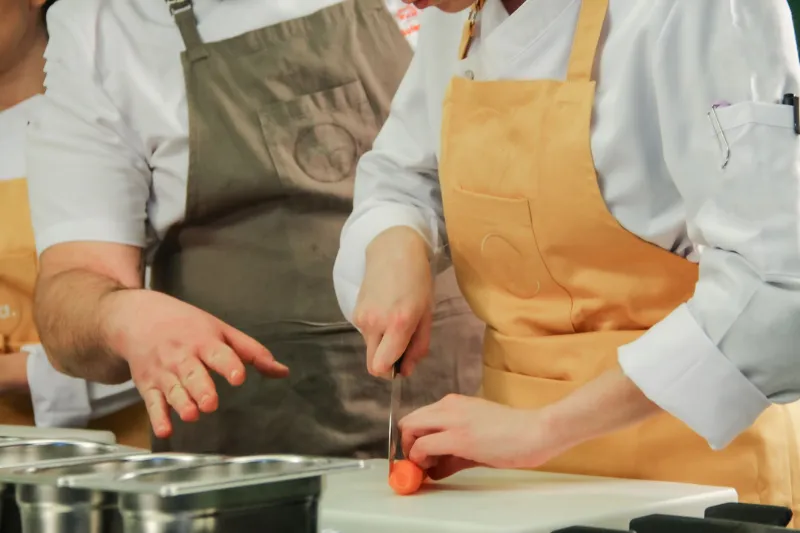
The instructor demonstrates a technique or a dish, then you move to a workstation. Depending on the class, you might work alone, in pairs or in a small group. Beginner classes tend to be hands-on but forgiving. You are not expected to plate like a restaurant chef. You are expected to listen, ask questions and have a go.
At the end, there is usually a chance to eat what you have made or pack it up to take home. Then comes the washing up, or a cheerful team effort to clear the benches. Nobody will audition you for MasterChef. The whole point is to learn in a supportive room.
How to spot a welcoming provider
A good beginner class is clear about what it is. The description should say whether it is suitable for complete beginners, whether it is hands-on or demonstration-based, how long it lasts and what you will make. If a provider is vague about any of that, ask before you book.
Look for small group sizes, usually eight to twelve people for hands-on classes. Check whether ingredients and equipment are included. Read the reviews, especially any that mention going alone or feeling nervous. A welcoming provider will often mention that solo attendees are common, because they are. Contact the school if you have questions about dietary requirements, accessibility or whether you will need to bring anything.
Trust your instincts. If the website feels warm and practical, and the person answering emails is helpful, that is a good sign. If the class sounds competitive or the description assumes skills you do not have, keep looking.
What to bring and what to leave at home
Bring comfortable shoes, something you do not mind getting a little flour on, and a hair tie if you have long hair. Bring reading glasses if you need them for recipes. A notebook or phone notes app can be useful for jotting down tips. If the venue does not provide containers, bring a couple of small ones for leftovers. Some classes ask you to bring an apron, so check the confirmation email.
Leave expensive knives at home unless the provider specifically asks you to bring them. Leave perfectionism at the door too. You are there to learn, not to prove anything. If you make a mistake, that is often the most useful part of the session.
How to get the most from the session without feeling out of place
Tell the instructor you are new. You do not need to announce it to the room, but a quiet word at the start can help. Most teachers will keep an eye on you, explain things a second time and make sure you are not struggling in silence.
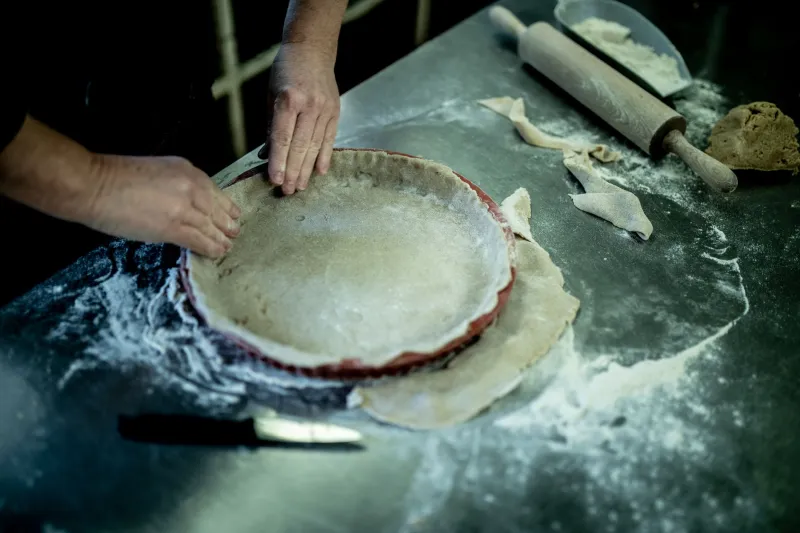
Ask questions when they come up. If you are not sure how finely to chop something or how to tell when a pan is hot enough, ask. Everyone else is probably wondering something similar. Focus on the technique rather than the finished look. A slightly rustic tart that tastes good is a success.
Taste as you go. Cookery classes are one of the few places where it is completely normal to taste something at every stage. Make a few notes at the end, not during the busy bits. And if you are quiet by nature, that is fine. You do not have to become the most sociable person in the room. Most people are focused on their own chopping board.
The bit nobody tells you
On a beginner cookery class, almost everyone is thinking about themselves. They are worried about their onions, their sauce or whether they have added too much salt. That means there is usually less scrutiny of you than you imagine. The conversation tends to happen naturally around the shared task. You might chat, you might not, and either is normal.
Going alone can actually be an advantage. You can ask the questions you want to ask, work at your own pace and focus on what you came for. Many people book solo, and plenty of them leave with a new skill and a slightly calmer relationship with their kitchen.
A simple booking checklist for 2026
Before you book, check the date, time, location and travel. Allow extra time to arrive, especially if you are using public transport or parking in an unfamiliar town. Check the cancellation policy and whether the class includes ingredients, equipment and containers. Confirm any allergies or dietary needs in advance. Save the provider's contact number. And plan something gentle for afterwards, whether that is a walk, a cup of tea or simply going home with your leftovers.
Your first solo cookery class does not need to be a big statement. It can be a 90-minute evening session, a Saturday morning workshop or a community centre class. The important thing is that you go. Walk in, put on an apron, pick up a knife and give it a go. You belong in the kitchen just as much as anyone else in the room.