Six Months to a Calmer Kitchen: A Smarter 2027 Course Plan
As 2026 winds down, plenty of home cooks start browsing cookery courses with the same energy they bring to a January gym membership. It is a lovely impulse. It can also lead to a diary stuffed with classes, a stack of unused recipe packs and a vague sense of failure by March.
A calmer approach is to treat 2027 as a six-month skills plan rather than a shopping spree. One course a month, one small practice goal at home, and enough breathing room to actually learn something. At Courses4Cooks, we like this rhythm because it respects real life. You still have work, family, football training and the occasional Tuesday where dinner is toast.
Why six months is better than six weekends
You could technically book six cookery classes in six weeks. Please do not. Skills need repetition, and repetition needs time. A knife class on Saturday is useful; a knife class on Saturday followed by a month of chopping onions badly and then well is what changes your cooking. Spacing the courses gives you a chance to practise, ask better questions and notice what you actually need next.
The plan below runs from January to June 2027. It is not a rigid syllabus. It is a sensible sequence for a home cook who wants to move from following recipes nervously to cooking with a bit more instinct. If you already have a solid foundation, skip ahead. If you are brand new, stay longer on each step.
January: knife skills
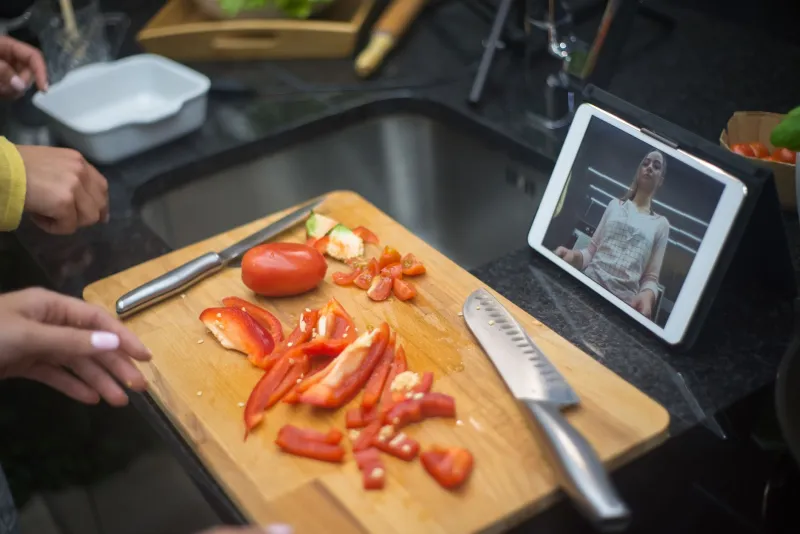
Start the year with the least flashy and most useful course. A hands-on knife skills class will cover grip, safety, sharpening basics and a few core cuts. Look for a small group, a tutor who watches your technique and plenty of vegetables to practise on. A local adult education centre or community kitchen in Cardiff, Glasgow or Norwich can be just as good as a name-brand cookery school if the teaching is clear.
Your home practice goal: chop one onion and two carrots each week for a month. Not a feast. Just the same small task until it feels less awkward.
February: foundational sauces
Once you can chop without holding your breath, learn a few sauces that hold a week together. A good beginner-to-intermediate class should cover a roux, a simple tomato sauce, a pan sauce and a vinaigrette. You want explanations, not just demonstrations. Why did the sauce split? What does a squeeze of lemon actually do? What makes a pan sauce taste thin?
Look for a class that gives you time at the hob and recipes you can remake easily. Your practice goal: make one sauce a week and serve it with something simple. Pasta, chicken, roasted vegetables. Nothing that requires a second course.
March: bread basics
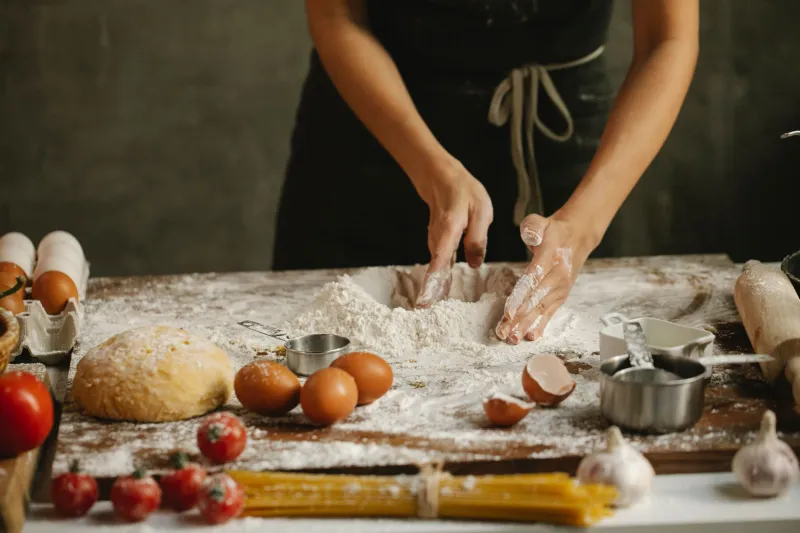
Bread is a lovely confidence builder because you can see and feel the change from dough to loaf. Choose a one-day bread basics course rather than an advanced sourdough marathon. You want to learn about yeast, kneading, shaping, proving and what a dough looks like when it is ready. A class that sends you home with dough or a loaf is a bonus.
Your practice goal: bake two simple loaves in March. The first is allowed to be disappointing. The second is where you pay attention to the prove.
April: batch cooking
By April, you should be cooking with a little more rhythm. A batch cooking course can help you turn that into a weekly habit. Look for teaching on portioning, cooling, labelling, freezer safety and varying a base recipe. The best classes are practical and slightly boring in the right way. They do not promise that you will never cook again. They show you how to make a Tuesday easier.
Your practice goal: build one freezer meal each week, and label it properly. Yes, properly. The mystery tub is nobody’s friend.
May: fish prep
Fish can feel like a test, which is exactly why a good fish prep class is worth booking. Look for a course that covers buying, storing, filleting or skinning and a couple of simple cooking methods. Ask about sustainability and whether you will work with whole fish or fillets. If you are nervous, say so when you book. A decent tutor will reassure you rather than rush you.
Your practice goal: cook fish once a week in May. It does not have to be fancy. A simple fillet with lemon and herbs is plenty.
June: a flexible seasonal class
Finish the six months with a class that pulls things together. That might be seasonal cooking, a cuisine foundation, or a vegetable-led course that helps you build meals without a recipe. The point is to use the skills you have practised rather than start from zero again. Look for a class with a clear level, a sensible group size and a tutor who encourages questions.
Your practice goal: plan three meals a week using what you have learned. Keep one night free for something utterly unplanned, because real kitchens need slack.
How to spot good teaching in a UK class listing
A good listing is specific. It tells you the level, the maximum group size, what you will make, what is included and whether you will be cooking or watching. It names the tutor and gives you a sense of their experience. It explains whether ingredients and equipment are provided. It also makes the practical bits clear: parking, public transport, accessibility, cancellation policy and whether you need to bring containers.
Do not be dazzled by the word masterclass. Ask what you will actually do. A small, plain-spoken class with ten people and a tutor who corrects your grip can be far more valuable than a large demo with a famous name. If you are booking with a friend, check that you will work together rather than merely sit together.
Avoid the classic booking trap
The classic mistake is booking too much too soon. It feels productive to fill the diary, but it can leave you exhausted and overfaced. Book two courses at a time at most. Leave space for life. If a course sells out, join the waiting list or ask the school about their next date. Do not panic-book a £300 class just because it is the only one left in February.
Budget matters too. Add up the course fee, travel, ingredients and any equipment you might be tempted to buy. You do not need a new knife after one class. You need practice. A modest community course plus a month of home cooking is often better value than a premium experience you never build on.
What progress actually looks like
By July 2027, you may not feel like a chef. That is fine. Progress looks like chopping an onion without swearing, making a pan sauce from memory, baking a loaf that rises, defrosting a labelled meal instead of ordering takeaway, and cooking fish without treating it like a dare. That is a calmer kitchen. And it is built one course, and one ordinary weeknight, at a time.