The Three-Day Window: One Deliberate Cook Is What Makes a Class Stick
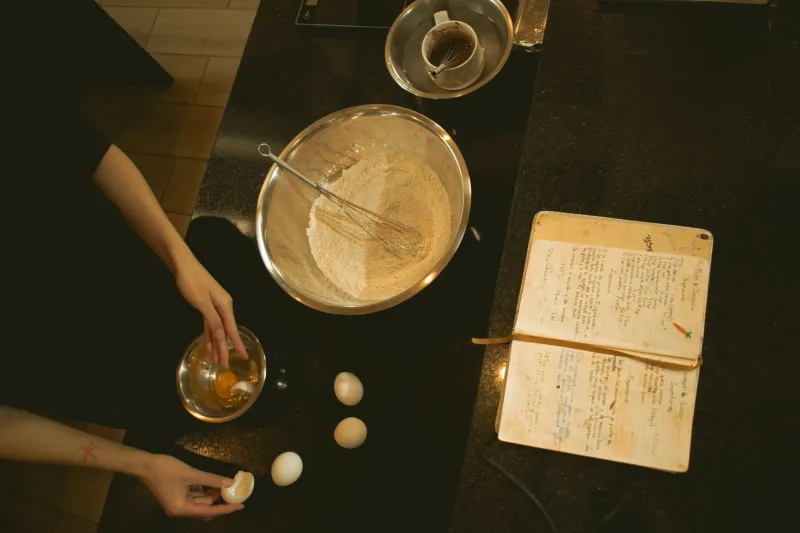
You leave a cookery class with flour on your sleeve, a notebook full of arrows, and a slightly inflated sense of your own knife skills. Then Monday happens. By Wednesday you are back to the same three dinners and the class feels like a nice day out rather than a change in how you cook.
That is not a character flaw. It is timing. The days immediately after a class are when new movements, timings and sensory cues are still soft. Leave them alone for a week and the brain quietly files the whole experience under 'pleasant but not essential'. Give them one deliberate repeat at home and they start to become yours.
Why the first few days do the heavy lifting
There is a reason cooking schools often suggest you practise soon after a session. A class gives you a lot at once: a new grip, a different way of judging heat, a sauce that looks ready before it feels ready. In the room, the instructor is your safety net. At home, you are the safety net.
The so-called 72-hour rule is not a magic deadline, but it is a useful prompt. Skills fade fastest when they are new and unrehearsed. One focused cook in that window does more than three vague plans to 'try that again sometime'. You are not aiming for a perfect re-creation. You are aiming to remind your hands what they learned while the memory is still warm.
Choose a cousin of the class dish, not a stranger
The biggest mistake is going straight for something ambitious and unrelated. If you made a braise, do not jump to a three-course dinner. If you made pasta, do not decide to invent a new shape with a different flour blend.
Pick a close relative of what you cooked. If the class covered a leek and potato soup, repeat it with celeriac or cauliflower. If you made a chicken traybake, swap the chicken for chickpeas and keep the method. If you shaped bread rolls, make the same dough again and change only the topping.
One variable is enough. You want to recognise the dough, the sizzle, the thickness of the sauce. That recognition is what builds confidence. A completely new recipe mostly tests your ability to follow instructions, which is not the same skill.
Write the debrief before you leave the building
Most of us take a photo of the finished dish and nothing else. Next time, spend five minutes before you leave writing down what the instructor actually said. Not the full recipe — the cues.
What did the onions look like when they were ready? How did the instructor test the sauce? Was there a phrase they repeated, like 'wait for the pan to stop fighting you' or 'season the water like the sea'? What went wrong in your batch, and what did they do to fix it?
Ask one direct question before you pack up: what should I practise first at home? Then ask whether you can get the recipe by email, along with any variations mentioned in the room. A good teacher will have a answer ready. A great one will tell you the next dish to cook, not just the one you have just made.
Shop for the repeat on the way home
This sounds small, but it is the difference between a plan and a good intention. If you need to buy ingredients for the repeat cook, do it within a day or two. Keep the list short. Buy the exact amounts you need for one session, not a fortnight of optimistic vegetables.
In the UK, that might mean a quick stop at the greengrocer for the right onions, or adding a few things to the supermarket order before the week runs away with you. Put the ingredients in one bag or one shelf so the repeat cook is obvious. If you can prep one element — chop the base, weigh the flour, make the stock — even better. The session should feel like a small appointment, not a project.
Keep the home cook small and slightly boring
A practice cook is not a dinner party. It is a lab session with lunch at the end. Give it 60 to 90 minutes, put your phone away, and use similar equipment if you can. If the class used a heavy pan and you only have a thin one, adjust the heat and note the difference. That is useful information, not failure.
Taste as you go. Compare the smell, colour and texture with what you remember from the class. Jot down one thing you would change next time. Then stop. You are not trying to prove anything to anyone. You are trying to make the class part of your ordinary kitchen, where the lighting is bad and the doorbell rings halfway through.
The questions worth asking before you book in 2026
When you are choosing a class this winter, look beyond the dish on the menu. Ask whether there is a built-in practice plan: a follow-up email, a short video, a recipe with variations, or a suggested next cook. Some schools now include a check-in or an online notes pack, and that can be worth more than an extra hour in the room.
Ask how long you will have access to the materials. Ask if you can photograph the technique steps. Ask what the instructor would cook the following weekend. A class that ends at the door is still a nice day out. A class that sends you home with a clear next step is the one that changes how you cook.
At Courses4Cooks, we are all for the buzz of a good session. But the real win is the quiet cook you do three days later, when no one is watching and the recipe is still slightly in your head. That is the one that sticks — and it is worth protecting in the diary before the week fills up.