Second Helpings: Why the Best Cookery Class Might Be the One You've Already Done
There's a quiet assumption in the cookery-class world: progress means always booking something new. A pasta masterclass in January, fermentation in March, patisserie by June. It looks impressive on Instagram. But according to one long-standing cookery tutor I spoke to, it might be the least efficient way to actually get better.
“People come back to my bread course and say, ‘Sorry, I’m repeating myself,’” she laughs. “I tell them: that’s exactly what you should be doing.”
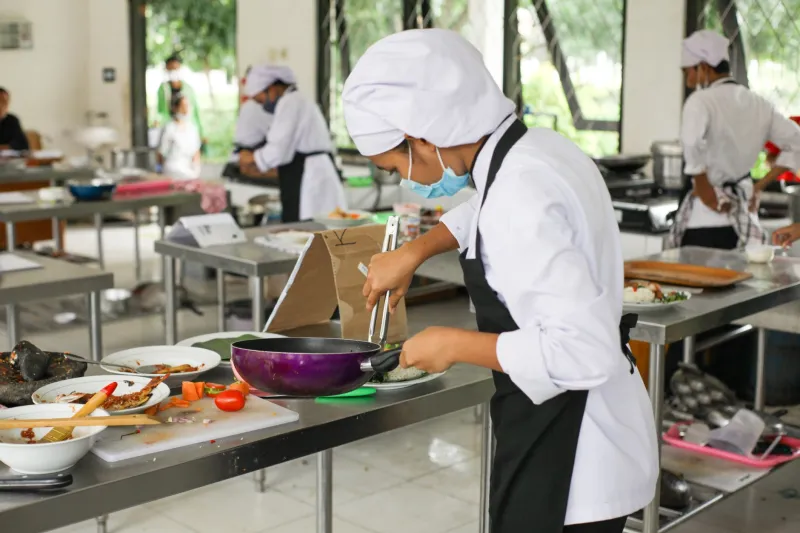
She’s based at a cookery school in the West Country, and she’s seen hundreds of students cycle through her kitchen. The ones who improve fastest, she says, aren’t the ones with the fullest folder of certificates. They’re the ones who come back.
The novelty trap
It’s easy to understand why we chase new classes. A new course feels like progress. It’s a fresh start, a new skill, a different cuisine. Plus, there’s a social pressure to always be trying something different — as if repeating a class is an admission that you didn’t get it the first time.
But cooking is physical. It’s muscle memory, timing, the feel of dough under your palm. You don’t build that by watching a different tutor demonstrate a different technique every few months. You build it by doing the same thing again, with slightly more awareness.
“The first time you take a class, you’re just keeping your head above water,” the tutor says. “You’re following instructions, trying not to burn anything, working out where the sieves are kept. The second time, you’ve got headspace to actually notice what’s happening.”
What a second pass actually gives you
Returning to the same course six months later isn’t about repeating the same experience. It’s about layering. On the second pass, you’re not learning the recipe — you’re learning the why.
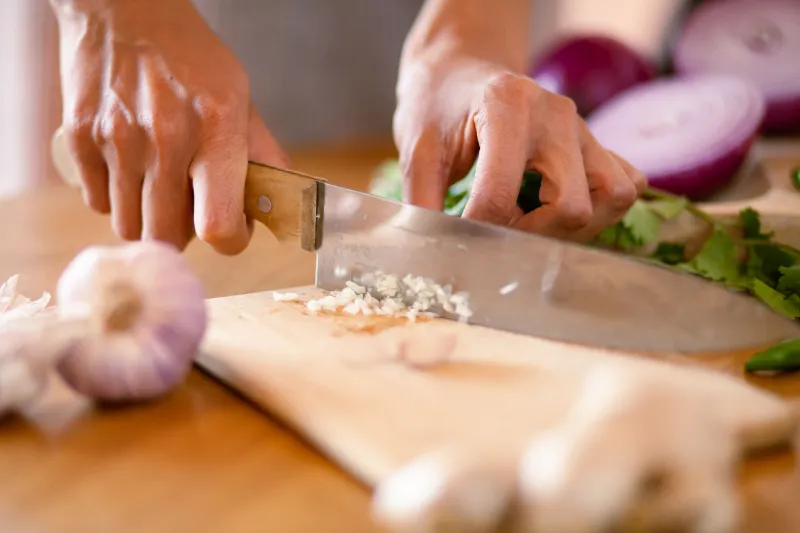
You’ll notice the tutor’s knife angle in a way you didn’t before. You’ll hear the same joke about overmixing and this time it connects to the rubbery muffins you made at home. You’ll spot the moment they adjust the heat, the way they test seasoning, the small corrections they make without saying a word.
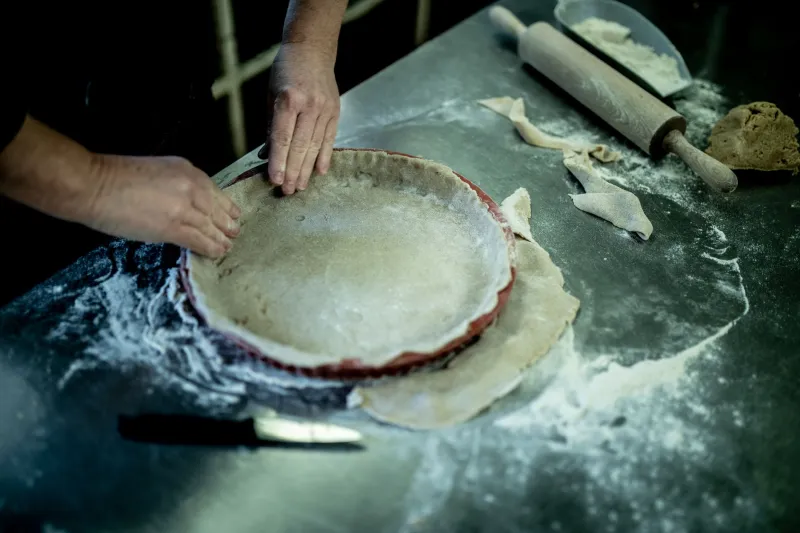
The tutor I spoke to says she deliberately keeps her classes small so she can watch hands. “On a second visit, I can say, ‘Right, I remember you struggled with your pastry. Let’s fix that today.’ That’s worth more than a new recipe.”
She also points out that repetition helps you build a mental checklist. The first time, you rely on the printed handout. The second time, you start to anticipate the next step. By the third — well, that’s when you can start improvising.
How to ask for the next level (without sounding like you’re complaining)
One of the barriers to rebooking is the worry that you’ll be bored, or that the tutor will think you’re just there for the free tea. The fix is simple: tell them what you want.
Before you book, email the school. Say you’ve taken the course before, and you’d like to focus on a specific skill. “I’d like to work on my lamination” or “I want to get better at judging when my caramel is ready.” A good tutor will welcome that. They’d rather have an engaged repeater than a room full of nervous first-timers.
On the day, ask questions that go beyond the recipe. “What would you change if I doubled this?” “How do you know when it’s done without a timer?” “Can you watch my grip for a minute?” These are the questions that turn a repeat visit into a masterclass.
The tutor I spoke to says she loves it when a returning student asks her to watch them. “It means they’re not just here to copy. They’re here to get better.”
Measuring the difference in your own kitchen
The real test isn’t in the classroom. It’s in the weeks after. How do you know the second pass worked?
Keep a simple kitchen log. Note what you cooked, how long it took, and one thing you’d do differently. Take a photo — not for Instagram, just for you. Then compare.
The differences are often small: your pastry is a bit shorter, your bread has a better rise, your sauce doesn’t split. You might find you’re reaching for the recipe less often, or that you can taste when something needs more salt without checking.
The tutor suggests a specific test: cook the dish for someone who didn’t know you’d taken the class. “If they ask for the recipe, you’ve cracked it. If they ask where you bought it, even better.”
The case for a smaller course roster
None of this is an argument against trying new things. Different cuisines, different techniques, different tutors — they all have their place. But if you’re serious about building confidence, a smaller roster of repeat courses might serve you better than a packed calendar of one-offs.
It’s also cheaper. Many UK cookery schools offer a discount for returning students, or you can simply book the same class again and save on travel and time. A £90 course you take twice might teach you more than two £60 courses you take once each.
The tutor I spoke to has a simple rule: “If you can’t remember what you learned, you haven’t learned it. Come back and we’ll make it stick.”
So before you book that shiny new class, check your diary. Is there a course you took six months ago that you could revisit? The second helping might be the one that actually changes your cooking.