Skip the Life Overhaul: A January Cookery Class That Just Makes Dinner Better
January is a rubbish time for a personality transplant
By the time the tinsel is back in the loft and the last of the Christmas cheese is looking at you accusingly, the adverts have already decided who you should be. A new you. A cleaner you. A you who does 6am yoga, meal-preps like a small catering firm and never again eats a mince pie standing up in the kitchen.
It’s exhausting. And for most home cooks, it misses the point. You don’t need a new identity in January. You need a Tuesday tea that doesn’t feel like a test. You need to know why your bread keeps coming out dense, or how to chop an onion without feeling like you’re defusing something. You need small, useful skills — not a personality overhaul.
That’s where a cookery class comes in. Not as a resolution, not as a punishment for December, and definitely not as a step on some imaginary wellness ladder. Just a few hours in a warm room with a knife, some dough or a big pan, learning something that sticks.
The quiet case for booking one small session
January is a strange month in the UK. The skies are grey, the bank balance is recovering from December, and everyone is either doing Dry January, Veganuary, a 5k-a-day challenge or a full digital detox. It’s a lot of noise for a month that really just wants a hot cup of tea and a sit-down.
A cookery class cuts through that noise because it asks very little of you. You turn up. You cook. You eat something you made. You go home with one or two things you can actually use. There’s no before-and-after photo, no weigh-in, no smugness required.
And unlike a resolution, which is usually a vague promise to “be better”, a class gives you something concrete. You learn how to shape a loaf. You learn why your knife drags through tomatoes. You learn how to make a big pot of something on Sunday that actually gets eaten on Wednesday. That’s not self-improvement in the glossy sense. It’s just dinner, made easier.
What a good January class actually looks like
You’re not looking for a full day of Michelin-style plating. You’re looking for a short session — two to three hours is plenty — that focuses on one skill and sends you home with something useful. In the UK, you’ll find these at local adult education centres, bakery schools, community kitchens and independent cookery schools. They’re often cheaper than the big-name day courses, and they’re usually full of people who just want to cook a bit better at home.
Bread foundations
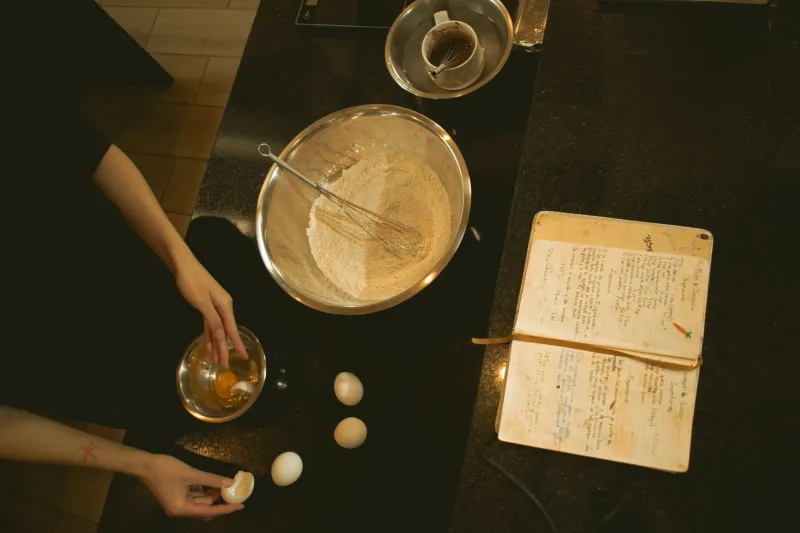
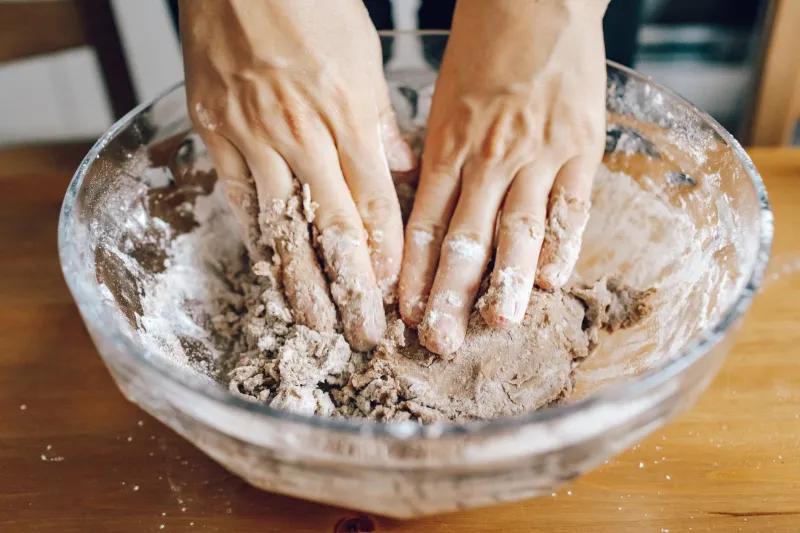
A basic bread class is a brilliant January reset because it slows you down. You can’t rush dough. You learn what a proper rise feels like, how to shape a loaf without wrestling it, and why your kitchen temperature matters more than you think. You’ll come away with a recipe, yes, but more importantly you’ll come away with an understanding of what the dough is doing.
And there’s something quietly satisfying about making your own bread in January. It fills the kitchen with warmth, it makes the house smell like a bakery, and it gives you a proper skill you can use all year. A Saturday morning session at a local bakery school is a gentle way to start the month without promising to become a sourdough influencer by February.
Knife confidence
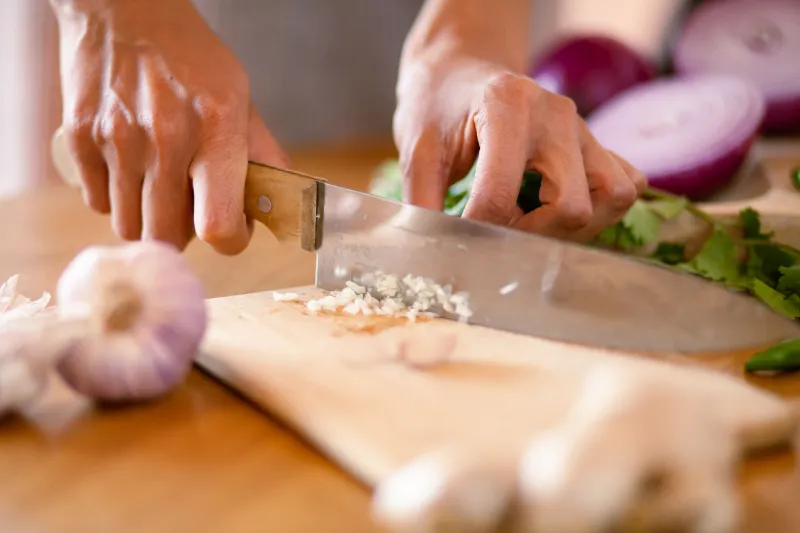
If you only book one class this month, make it knife skills. It’s the least glamorous option and probably the most useful. A good session covers grip, honing, the difference between chopping and slicing, and how to deal with an onion without turning it into a slippery mess. You’ll be surprised how much faster and calmer you feel in your own kitchen after two hours of proper practice.
It’s also a class that pays you back immediately. Every meal you make afterwards is a bit quicker and a bit less annoying. That’s not a resolution. That’s just a better Wednesday.
Batch-cooking, but make it sensible
Batch-cooking classes can sound terribly organised — the kind of thing that involves labelled tubs and a spreadsheet. But the good ones aren’t about becoming a meal-prep machine. They’re about understanding which dishes improve in the fridge, which freeze well, and how to build a base — a ragù, a curry, a tray of roasted vegetables — that can go in several directions later in the week.
A short class in January can reset the way you think about leftovers. Not as sad Tupperware, but as a head start. That’s a genuinely useful habit, and it costs far less than a new set of matching containers.
How to choose without overcommitting
Don’t book a six-week course if you’re not sure you’ll stick with it. January is already full of commitments. Choose a single session, ideally on a weekend morning or a quiet weekday evening, and treat it as a bit of time for yourself. Check what’s included — equipment, ingredients, aprons — and read the description properly. If it promises to teach you “the fundamentals of French cuisine in three hours”, it probably won’t. If it promises to teach you how to make a decent loaf or sharpen your knife skills, that’s more like it.
Also, don’t worry about going alone. A lot of people book January classes solo because they want to learn something without turning it into a social event. You’ll be in a room with other people who are also a bit unsure, which is usually the best kind of room.
The bit nobody tells you about habits
Habits don’t change because you announced them at midnight on 31 December. They change because you do something small, enjoy it enough to repeat it, and suddenly it’s part of your week. A cookery class is good at this because it gives you a proper win early on. You make something. It works. You want to do it again.
That’s why one class in January can do more for your kitchen confidence than a whole list of resolutions. It’s not about becoming a different person. It’s about becoming a slightly more confident cook — the kind who knows how to shape a loaf, chops an onion without swearing, and has something in the freezer that isn’t a bag of peas.
Book one thing, then stop
You don’t need a plan for the whole year. You don’t need to sign up for a diploma or buy a new set of knives. Just find one short class, book it, and turn up. Let January be a month where you learn one useful thing rather than promising to become a whole new person.
Find your course. Build your kitchen confidence. And if the only resolution you make this year is to eat better toast, that’s a pretty good start.