Your Pastry Isn't Failing — It's Overheating: The Case for a Hands-On Shortcrust Class in 2026
There's a particular kind of silence that falls over a kitchen when someone announces they're making pastry from scratch. It's the same hush that used to accompany a school exam, or the moment before someone opens the oven on a Sunday roast. Shortcrust has somehow become the practical equivalent of a nerve test — a thing you either pass or fail, with no middle ground.
Which is a shame, because pastry isn't really a talent. It's a temperature problem, dressed up as a technique problem. And the fastest way to stop fearing it is to spend two or three hours in a room with someone who will make you put your hands in the bowl and pay attention.
The crumb that tells you everything
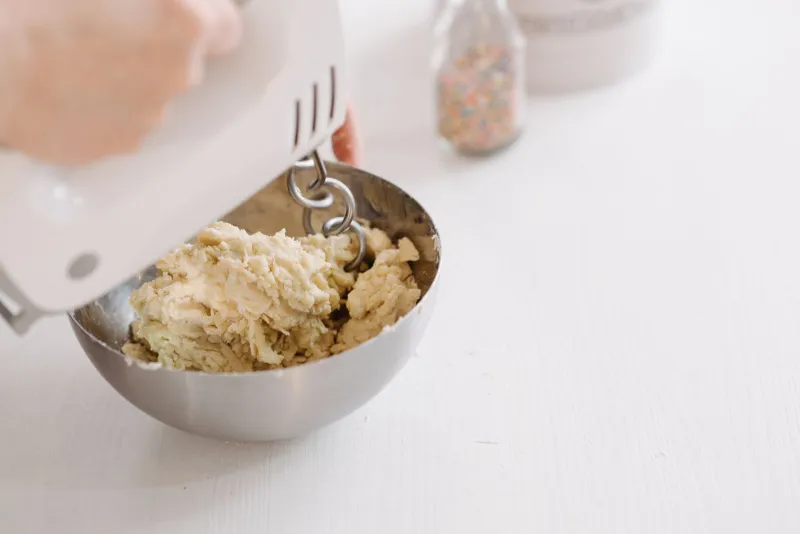
Most recipes for shortcrust are perfectly fine. The trouble is that they describe stages in words that don't quite match what happens under your fingers. "Rub in until it resembles breadcrumbs" is a decent instruction, but breadcrumbs come in about six different textures. "Add water until the dough comes together" is worse — by the time it "comes together" in some kitchens, you've already added too much and the whole thing is heading for a tough, shrunken tart case.
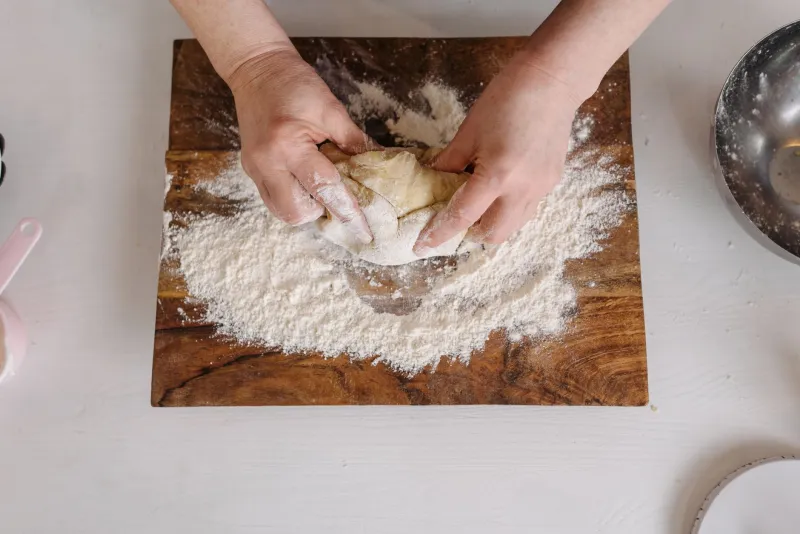
A good class slows that moment down. You'll be shown what the mixture should look like before it looks like breadcrumbs — when the butter is still in visible, cool flakes and the flour is starting to clump around them. You'll feel the difference between a dough that's holding together because it's hydrated and one that's holding together because it's warm and smeary. That distinction is almost impossible to learn from a video, because video doesn't transmit texture.
Why temperature beats technique
Here's the thing nobody tells you when you're standing over a bowl with warm hands and a slightly panicked expression: shortcrust is designed to be awkward. It's a high-fat dough with very little water, and its whole personality depends on the butter staying cold enough to create little pockets of steam in the oven. Those pockets are what make it short. If the butter melts before it hits the heat, you get a biscuity slab instead.
So the real skills are these:
- Keeping everything cold. Cold flour, cold butter, cold hands, cold water, and a cold surface if you can manage it. Some teachers will have you chill the flour for ten minutes before you start. It sounds fussy. It works.
- Handling lightly. Not delicately, exactly — lightly. You're not kneading bread. You're bringing a dough together and then leaving it alone.
- Reading texture before it turns crumbly. There's a point where the mixture goes from "a bit shaggy" to "fine sand", and past that point it's hard to rescue. A class teaches you to stop at shaggy.
- Resting with intent. Twenty to thirty minutes in the fridge isn't a suggestion. It relaxes the gluten and re-firms the butter, which means less shrinkage and fewer cracks later.
A good teacher will also mention the boring stuff that makes a real difference: your kitchen might be warmer than the recipe assumes, your hands might run hot, and a fan oven might need a slightly lower temperature than the book says. Those aren't failures. They're just variables, and part of kitchen confidence is learning to adjust for them.
What a hands-on session actually looks like
A shortcrust class worth booking in 2026 should be mostly practical. You want to be making dough within the first twenty minutes, not watching someone else do it while you take notes. The best sessions are small — eight to twelve people is plenty — and they should give you time to make at least two batches, because the first one is always a bit of a warm-up.
Look for classes that cover more than one outcome: a tart case, maybe some little hand pies or a batch of sausage rolls, so you can see how the same dough behaves in different shapes. Ask whether you'll be blind baking, and whether the class explains why you prick the base, chill it again, and use baking beans rather than trusting luck. Ask, too, what happens if your dough cracks when you line the tin — a decent teacher will show you the patch-and-press fix rather than letting you start over.
And it's worth checking what you take home. Some classes send you off with a lined tart case and a disc of dough for the freezer, which is a quietly brilliant way to make the lesson stick. You get a second attempt in your own kitchen, on a day when nobody's watching.
Choosing a class that suits a nervous pastry maker
You don't need a celebrity chef or a fancy studio. You need someone who will stand next to you and say, "stop — that's ready" before you've gone too far. Community cookery schools, adult education centres and independent kitchen shops often run half-day pastry sessions for £60–£120, and many of them are explicitly aimed at home cooks who've had a run of disappointing tart cases.
When you're booking, ask three practical questions: how cold is the room likely to be, will you be working with your own bowl or sharing, and does the teacher demonstrate at your bench or from the front? The answers tell you a lot about whether you'll actually get your hands on the dough.
The confidence bit
Shortcrust is a good first pastry because it's forgiving once you understand it. It doesn't need to prove, it doesn't need a warm rise, and it doesn't care about the weather — as long as you keep it cool. The nerve test isn't really about whether you can make pastry. It's about whether you trust yourself to notice when the dough is ready.
That's the thing a class gives you: a reference point. Once you've felt the right texture under your fingers, you can find it again at home, even on a warm Thursday in July with the radiators on. And that's a skill that pays you back every time you fancy a quiche.