Bones, Aromatics and Freezer Bags: The Winter Cookery Class That Keeps On Feeding You
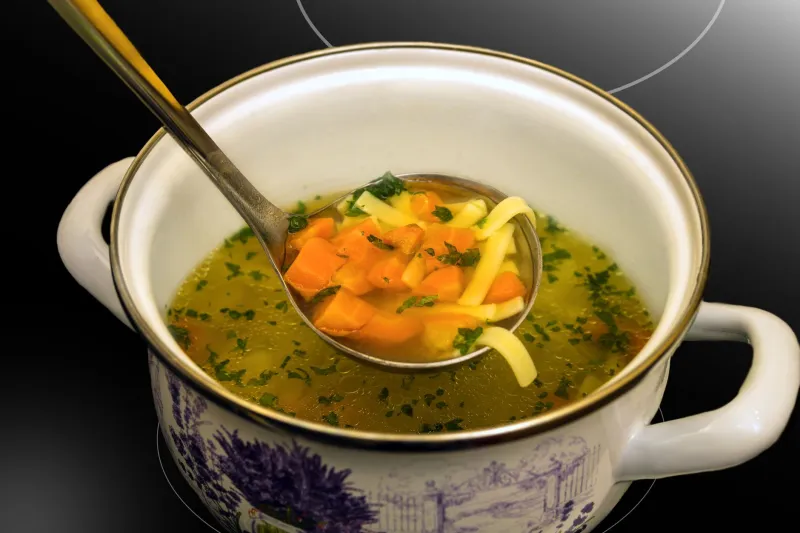
Winter has a way of making the kitchen feel like the most useful room in the house. The nights are longer, the appetite is bigger and suddenly a pot of something bubbling on the hob feels less like a chore and more like a small act of self-care. That is exactly the moment when a basic stocks class starts to look less humble and more heroic.
At Courses4Cooks, we are big fans of cookery classes that change what happens on a normal Tuesday. A stocks, broth or foundation class does exactly that. It will not give you a theatrical plate to photograph, but it will give you a skill that quietly improves soups, risottos, gravies, stews, braises and freezer meals for months. Call it the stockpot dividend: you pay once for the session, then keep collecting the benefits every time you cook.
Why stock is the quiet engine of good cooking
Most of us do not think about stock until a recipe asks for it. Then we reach for a cube, a carton or a concentrated gel and move on. That is fine on a busy Wednesday, but it is not the same as knowing how to build flavour from scratch. A good stock class teaches you what is actually happening in the pot: how bones release body and savouriness, how vegetables add sweetness and depth, how herbs and spices layer in the background, and how a long, gentle simmer turns scraps into something genuinely useful.
That knowledge is confidence. Once you understand stock, you stop seeing a chicken carcass as rubbish and start seeing Sunday lunch as the beginning of three more meals. You look at a bag of carrot peelings, onion skins and celery tops differently. You become the kind of cook who has a tub of homemade stock in the freezer and a plan for it.
What a good stocks class actually teaches
The best classes are practical rather than precious. You should leave with your hands smelling of onion and your head full of small, useful rules. Look for a session that covers the whole journey, not just a recipe.
Roasting bones for depth
Brown stock starts with browning. A class should show you how to roast bones properly, why colour equals flavour, and how to avoid the bitter notes that come from burning rather than caramelising. Beef and lamb bones usually need a hotter roast, while chicken bones can be browned more gently. A tutor should also explain why some stocks are made from raw bones and others from roasted ones, and how that changes the final result.
Balancing aromatics without overloading the pot
The classic base of onion, carrot and celery is a starting point, not a strict law. A good class will teach you restraint. Too many strong aromatics can make a stock taste muddy. Too much salt early on can reduce too far and become aggressive. You should learn how to build a clean, savoury foundation and how to taste as you go, rather than following a formula blindly.
Skimming, simmering and knowing when to stop
Stock is not a rolling boil situation. A gentle simmer keeps the liquid clear and the flavour sweet. A class should cover skimming, why impurities rise, how often to check, and how long different stocks need. It should also teach you when to stop. Overcooked stock can turn dull or bitter, especially with certain bones and vegetables. Knowing the difference between a long, slow simmer and an aggressive boil is one of those small skills that makes everything else easier.
Reducing and storing safely
This is the part that turns a nice afternoon into a genuinely useful kitchen habit. You should learn how to reduce stock for a richer flavour, how to cool it quickly, how to skim fat, and how to store it safely in the fridge or freezer. Portioning matters too. Freezing stock in 250ml tubs or ice cube trays means you can pull out exactly what you need for a risotto, a gravy or a quick noodle soup without defrosting a giant block.
The payback is in the ordinary meals
A showpiece menu class can be lovely fun. But how often do you cook a showpiece menu at home? Stock is different. It shows up in the everyday: a simple leek and potato soup that tastes far better than it should, a mushroom risotto with real depth, a gravy that makes a roast chicken feel like a proper occasion, a braise that gets better on day two.
It also saves money in a quiet, unglamorous way. If you already roast a chicken or buy bones from the butcher, stock is one of the cheapest good things you can make. A few pounds of bones, some tired vegetables and a long afternoon can produce several litres of something that would cost far more in the shops. That is not just thrifty; it is satisfying.
What to look for when booking
If you are planning your kitchen budget for winter 2026, a stocks class is a smart place to spend it. Look for a session that is hands-on and includes storage guidance, not just a demonstration. Ask whether you will work with roasted and raw bones, whether you will take stock home, and whether the class covers vegetable and fish stocks as well as meat. A good tutor will also talk about hygiene, cooling times and freezer life, because stock is only useful if it is safe and easy to use.
Small classes tend to work well here. Stock is a slow process with plenty of waiting, which gives you time to ask questions. If the class runs alongside a knife skills session or a soup-making class, even better. The skills reinforce each other.
A winter skill worth keeping
You do not need a new piece of kit or a grand plan to become a more confident cook. Sometimes you just need one good session with a big pot and someone who knows how to coax flavour out of bones and vegetables. A stocks class will not make you a chef in an afternoon, but it will give you a foundation that keeps on giving. And in winter, when dinner needs to be warm, filling and sensible, that is about as practical as cookery classes get.