The Calm Bench Rule: What Great Cookery Classes Teach About Washing Up
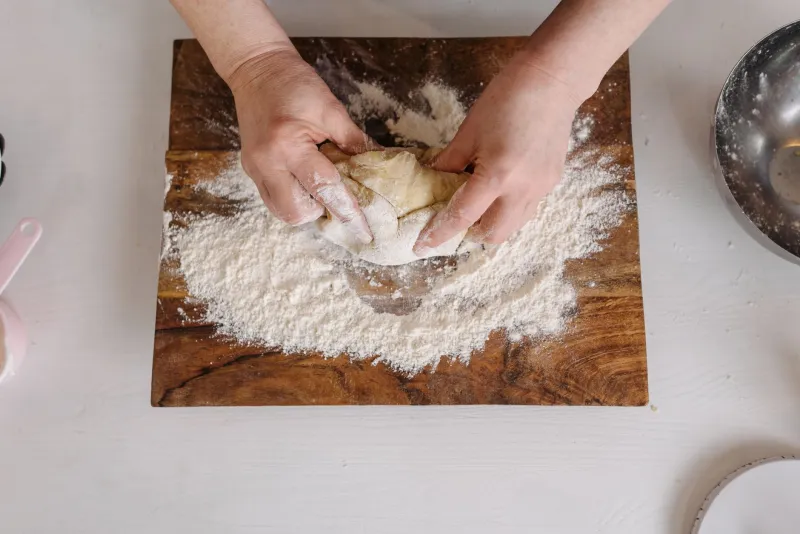
Most cookery classes advertise the exciting bit: handmade pasta, perfect pastry, a curry paste that smells like a holiday. Fair enough. But the moment a class ends, you can learn just as much from the bench you leave behind. If it looks like a small explosion in a flour factory, you have probably been taught a recipe rather than a way of cooking.
Clean as you go sounds like something your nan would say while handing you a damp cloth. In practice, it is one of the most useful kitchen skills going. It is not about being tidy for the sake of appearances. It is about timing, space and keeping your head free to taste, adjust and enjoy the cooking. In a British kitchen, where the bench is often shared with the kettle, the toaster and a pile of post, that skill is worth its weight in dishwasher tablets.
The skill that never makes the brochure
No cookery school is likely to put 'we will teach you to rinse a bowl while the onions soften' on its homepage. It does not sound glamorous. But watch a good teacher and you will see it constantly. They scrape scraps into one bowl rather than across the bench. They wipe down before plating. They stack dirty equipment out of the way instead of letting it colonise the only clear surface. They treat washing up as part of cooking, not as a punishment after it.
That matters because home cooking is rarely a straight line. You are not working in a professional kitchen with a commis chef and a pot wash. You are probably working in a flat with one sink, a fridge that hums aggressively and a recipe propped against the wall. If every pan, board and spoon is dirty by the time you sit down, the meal has cost you more than it should have. A class that teaches you to manage that mess is teaching you to cook again tomorrow.
A calm bench is a timing tool
There is a practical reason chefs bang on about keeping the bench clear. Clutter slows you down. If you are hunting for a whisk under a pile of packaging while the garlic is starting to catch, you are not paying attention to the garlic. If the sink is full, you cannot rinse a hot pan before the sauce sets like concrete. If there is no clear space to put a hot tray, you start balancing things on the hob. That is when the swearing begins.
Good cookery classes build little reset moments into the session. They show you how to use the waiting time. Onions softening? Wash the board. Water coming to the boil? Wipe the bench. Something resting? Deal with the bowls. It sounds almost too simple to pay for, but that is exactly why it is valuable. Most of us do not need another elaborate recipe. We need a system that stops cooking from feeling like a two-hour job followed by a forty-minute clean-up.
How to spot a class that teaches workflow
When you are choosing a session, look beyond the dish list. Ask what happens at the end. A class that plans for clearing down, not just eating, is usually a class that understands home cooking. Here are a few clues worth looking for:
- The teacher demonstrates with a bin bowl, a damp cloth and a scrap bowl within reach. That is not theatre; it is method.
- The class size gives you room to move. Twelve people crammed around a domestic-style bench is not a workflow lesson, it is a scrum.
- The timetable includes cleaning as part of the cook, rather than a frantic dash at the end.
- The teacher talks about real kitchens: one sink, a small dishwasher, a fridge that is already full, a bin that needs emptying.
- They remind you to read the recipe through and set up before you turn on the heat. That is kitchen management by another name.
You do not need a class to be posh or expensive for this to work. A good community session can teach workflow beautifully because it has to. What matters is whether the teacher treats the clean-up as part of the craft or as an inconvenience to be pushed to the end.
The home test: ten minutes, one sink
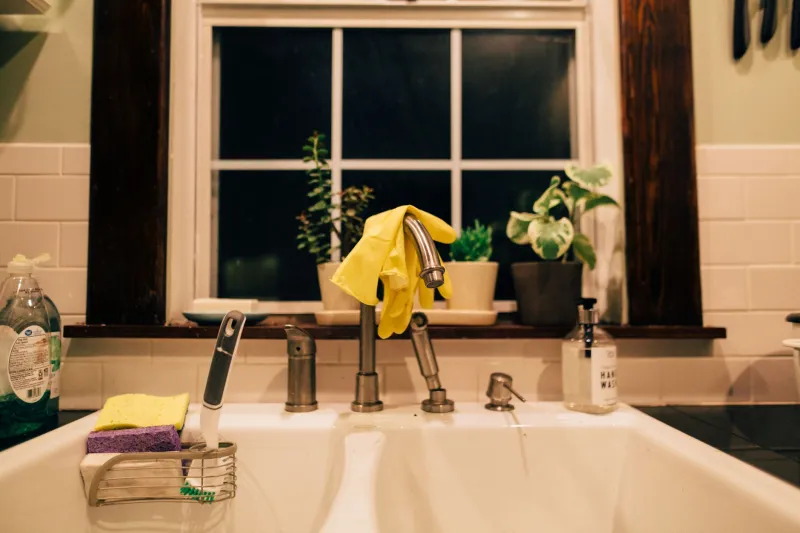
After your next class, try the calm bench rule at home. Before you start cooking, clear the sink and put out a scrap bowl and a cloth. During cooking, use the dead time to wash a bowl or wipe a surface. After eating, aim to have the bench clear and the worst of the washing-up done within ten minutes. Not perfect, not showroom-clean, just calm enough that you would happily make breakfast there.
The first few times, it feels unnatural. Then it becomes the default. You stop measuring a recipe by how good it looked on the plate and start measuring it by whether you would cook it again on a Tuesday. That is the real test. A recipe card can impress you for an evening. A workflow habit keeps you cooking for years.
Why it beats another recipe card
Recipe cards multiply. They live in folders, on phones and in the strange graveyard of screenshots we never look at again. Workflow compounds. Learn to prep, cook and clear in a rhythm that suits your kitchen and you become someone who cooks rather than someone who collects recipes. You host more easily. You improvise more. You order fewer takeaways because the kitchen is not a disaster zone you cannot face.
That is why the calm bench rule is worth more than another dish. It gives you confidence, and confidence is what gets you back to the stove. When you book a cookery class in 2026, ask what you will leave behind. Not just the leftovers, but the bench. If the answer is a clear surface and a calmer head, you are in the right room.