Flat Food Has a Fix: What a Seasoning Class Actually Teaches You
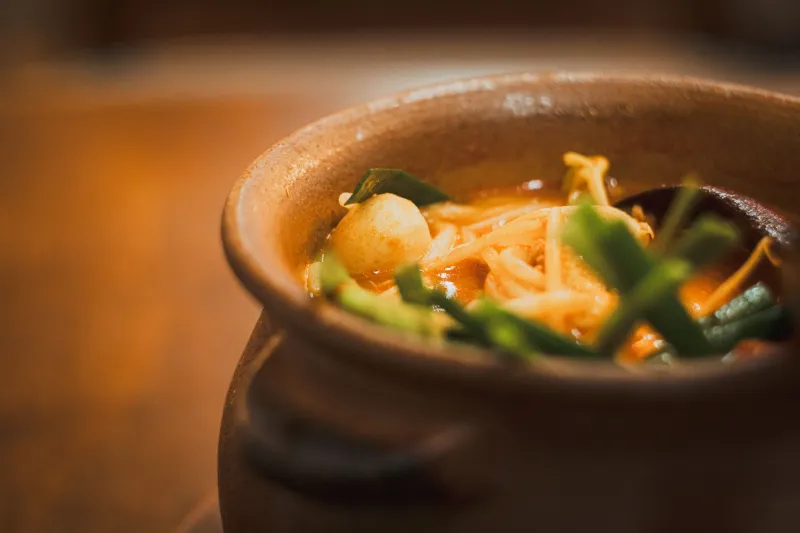
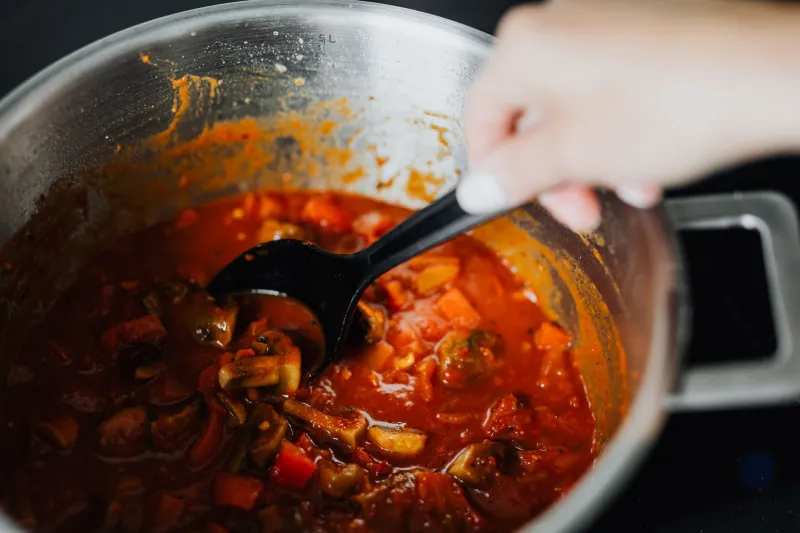
You did everything the recipe said. The onions softened, the timer beeped, the sauce looked glossy. Then you tasted it and felt a small, familiar disappointment. Not horrible. Just muted. Flat. If that scene plays out in your kitchen more often than you would like, the missing ingredient probably is not in the recipe at all. It is the skill of seasoning, and it is one of the few cookery skills that a single afternoon class can genuinely sharpen.
Seasoning is not a final sprinkle of salt and a hopeful stir. It is a running conversation with the food: tasting, adjusting, tasting again. Most of us were never taught that conversation. We were taught to follow quantities, and quantities cannot account for the saltiness of your stock, the acidity of your tomatoes, or how much fat is already in the pan. A seasoning class fills that gap.
Why 'Season to Taste' Is Useless Advice on Its Own
Every recipe says it, and every home cook nods along. But season to taste with what, exactly? If your palate has not been trained to notice the difference between a dish that needs salt and one that needs a squeeze of lemon, the instruction is about as helpful as telling someone to drive to the shops without giving them a postcode.
A good class does not just tell you to taste. It shows you what you are tasting for. It breaks the vague idea of seasoning into four levers you can pull: salt, acid, fat and heat. Once you can identify which lever is missing, the guesswork drops away.
Salt, Acid, Fat, Heat — Without the Jargon
Salt is the one most of us reach for first, and it is usually right. But salt does not just make food salty. It makes food taste more like itself. A pinch added early can transform a pot of lentils; the same pinch added at the table can taste sharp and separate.
Acid is the lever most British home cooks underuse. A squeeze of lemon over a roast chicken, a splash of vinegar in a soup, a spoonful of pickle alongside something rich — acid lifts and brightens. Without it, food can taste heavy or dull even when it is perfectly salted.
Fat carries flavour and gives food body. A knob of butter stirred into a sauce, a drizzle of good olive oil over beans, a little yogurt on a spicy stew — fat rounds off rough edges and makes a dish feel finished.
Heat is not just chilli. It is black pepper, horseradish, mustard, ginger, paprika. Used well, heat adds a background hum that keeps you coming back for another forkful. Used badly, it flattens everything else.
The revelation in a good class is not that these things matter. It is that you can learn to spot which one is missing by taste alone, and then fix it in seconds.
What a Practical Seasoning Class Looks Like
You are not there to watch a chef plate up something beautiful. You are there to taste, adjust and taste again. The best sessions I have come across are small, hands-on and built around plain base ingredients — a simple soup, a tomato sauce, a bowl of beans — so the effect of each adjustment is obvious.
Look for a class where you taste the same dish four or five times as it is adjusted. You should leave with a tongue that has been calibrated, not just a notebook of tips. Good signs include a table of tasting spoons, small bowls of lemon juice and vinegar, different salts, and a tutor who asks you what you think before telling you what to do.
Also look for a UK-home-kitchen approach. You do not need a blowtorch or a pantry of obscure ingredients. You need to know how a supermarket lemon compares to a squeeze of bottled juice, how malt vinegar works in a gravy, and why your casserole tastes better the next day. A class that translates to your actual kitchen is worth far more than one that dazzles.
The Red Flags
Be wary of a session that is really a demonstration with a tasting at the end. Seasoning is a physical skill, and you learn it by doing it badly a few times. If you do not get your hands on the food, you are watching a cooking show with extra steps.
Also be cautious of any class that promises to teach you 'the secret' in a way that involves buying a specific product. Seasoning is not a brand. And if the tutor never tastes the food in front of you, or never asks you to taste, that is a clue that the class is about performance rather than practice.
Is It Worth the Money?
A half-day seasoning class in the UK typically sits somewhere between £60 and £120, depending on location and the name on the door. That is not nothing. But compare it to the cost of a couple of decent meals out, and then think about how often you cook. If you make dinner five nights a week, a class that improves those dinners for years is one of the better kitchen investments you can make.
It is not essential. Plenty of cooks learn by trial and error, and there is no shame in that. But if you have been cooking for a while and still feel like your food is missing something you cannot name, a focused class can save you months of vague frustration.
Your One-Week Practice Plan
The class is only the start. The real change comes from a week of deliberate practice. Keep it small and do not try to overhaul everything at once.
Monday — Taste as you go. Cook something simple, like a tomato pasta sauce. Taste it at three points: after the onions, after the tomatoes, and before serving. Notice what changes.
Tuesday — Add acid. Take a bowl of soup or a portion of yesterday's sauce. Taste it, then add a small squeeze of lemon or a few drops of vinegar. Taste again. Write down the difference.
Wednesday — Add fat. Do the same with a knob of butter or a drizzle of olive oil. Notice how it changes the texture as well as the flavour.
Thursday — Add heat. Use black pepper, a pinch of chilli flakes or a little mustard. Add it gradually. Learn where the line is between a hum and a shout.
Friday — Re-season leftovers. Leftovers are perfect for this because the flavours have settled. Taste, adjust, taste again. You will be surprised how often a leftover needs acid rather than salt.
Saturday or Sunday — Cook without a recipe. Make a simple meal using what you have, and season it by taste rather than by numbers. This is the moment the class starts to become your own skill.
The Point Is Not Perfection
The goal of a seasoning class is not to turn you into a chef who never gets it wrong. It is to make you a cook who knows what to do next when something tastes flat. That is a quieter kind of confidence, but it is the kind that shows up every night of the week.
If you have been following recipes faithfully and still feeling a bit deflated at the table, this might be the class worth booking next. Your food is not broken. It just needs a better conversation.