The Doggy-Bag Audit: What Your Cookery Class Leftovers Say About Your Skills
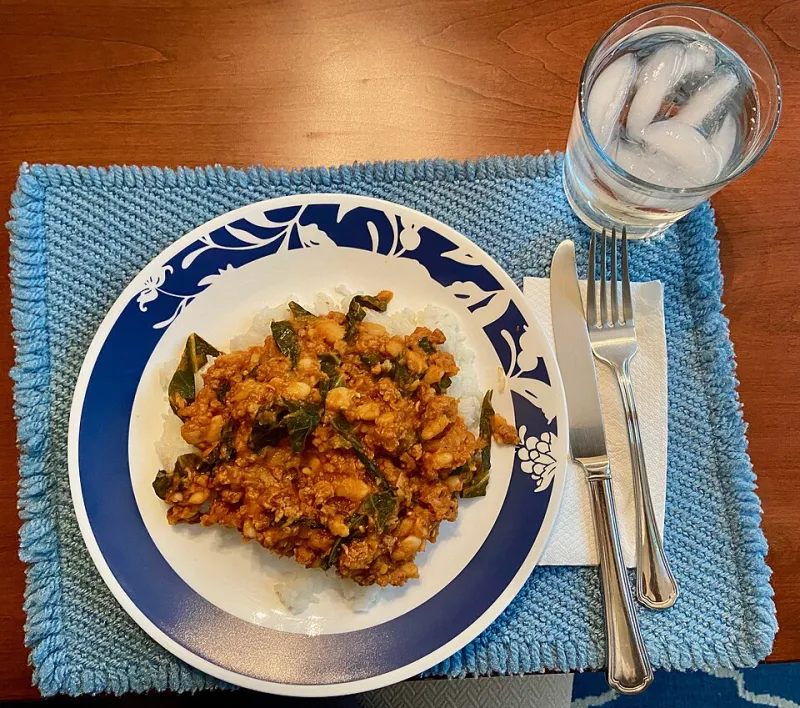
Photo: Nolabob, CC BY-SA 4.0, via Wikimedia Commons
You finish a cookery class buzzing. The plate you ate in the room was lovely, the tutor was generous with tips, and you’ve got a new trick with onions. Then you get home, put a warm tub on the counter, and forget about it until Thursday. That’s the moment the class really gets tested.
At Courses4Cooks, we’re all for the joy of a good session — the smells, the chat, the slightly chaotic shared sink. But a class that changes your kitchen confidence should send you home with more than a full stomach. It should send you home with food that survives the journey and turns up on a Tuesday night when you’re tired and the fridge looks bleak.
The plate in the room is only half the story
There’s nothing wrong with eating together at the end of a class. It’s sociable, it slows you down, and it shows you what the dish is meant to taste like. But if the only thing you carry out is a nice memory and a stained apron, ask yourself: did you learn a skill, or did you book a very expensive dinner?
The take-home test is simple. Did what you made survive the trip? Did you eat it? Did it make another meal easier? A good class often sends you home with components — a tub of sauce, a ball of dough, a jar of something, a portion of stew — not just a plate scraped clean.
Pack like you mean it
Bring containers. Not a fragile stack of mismatched lids, but two or three flat, leak-proof ones. Glass with clip lids is lovely if you’re not lugging it across three bus changes; good plastic is fine. A wide, shallow tub cools faster than a deep bucket, and it’s less likely to turn your bag into a crime scene.
Ask the school before you book whether containers are provided. Many are, but not all, and some only have flimsy foil. A small cool bag is worth it if you’re travelling far or the class involves meat, fish, dairy or rice. Label the lid with the date and what’s inside. “Brown stuff” is not a meal plan.
Don’t seal hot food straight into a tight lid. Let it steam off a bit first. If the tutor is handing out hot portions at the end, ask whether you can leave yours to cool slightly before packing, or whether they’ve got a cool spot to speed things along.
The cooling rule that saves dinner
UK food-safety advice is refreshingly simple: cool leftovers as quickly as you can, ideally within 90 minutes, then get them in the fridge. Don’t leave a warm pot on the hob overnight. Split big portions into smaller containers so the heat escapes. Your fridge should be around 5°C or below.
If you’re travelling home for more than an hour or two, use a cool bag. If something has been sitting out for ages, don’t gamble on it. Reheat leftovers until they’re steaming hot all the way through, and only reheat once. Rice needs a bit more care: cool it quickly, fridge it fast, eat within 24 hours, and reheat until piping hot.
Ask these questions before you leave
A good tutor won’t mind a quick Q&A at the end. In fact, it’s a useful test of the class. Ask:
- How long will this keep in the fridge?
- Can I freeze it, and should I do that today?
- What’s the best way to reheat it?
- Does it contain any allergens I should note?
- Is the sauce or garnish best kept separate?
If the answer is a vague shrug, that tells you something. You’re not being awkward. You’re trying to avoid wasting food and giving yourself food poisoning, which is a very sensible hobby.
Turn one tub into two or three meals
This is where the class really earns its fee. A portion of slow-cooked ragù can become pasta on Tuesday, a baked potato on Wednesday, and a frozen half for a grim January evening. A curry can go with rice, then into a jacket potato, then thinned into a soup with stock and veg. Roast vegetables can become a frittata or a couscous lunch. Bread dough can become pizza, flatbreads or a very pleasing loaf.
The trick is to decide before the food goes in the fridge. Not a full meal plan — just a rough idea. “That’s Tuesday dinner and one for the freezer.” Write it on the lid. Then actually eat it.
When the leftovers are a red flag
If you come home with a sad bag of garnish and no plan, the class may have been more demonstration than doing. If the tutor can’t tell you how long a sauce keeps, or hands you a hot sealed tub with no cooling advice, that’s worth noting. And if you find the tub at the back of the fridge two weeks later, that’s not a moral failure — it’s feedback. Maybe you booked a menu night when you needed a skills session. Maybe you need shorter classes with built-in take-home components. Maybe you just need better containers.
The Tuesday night verdict
A cookery class is worth it when it keeps feeding you after the apron comes off. That might mean a sauce in the freezer, a dough in the fridge, or a genuine new habit — like cooling food properly and labelling it instead of playing fridge roulette.
So next time you book, look beyond the glossy menu. Ask what you’ll take home. Bring a tub. Listen to the storage advice. Then judge the class on a Tuesday, when you open the fridge and think, “Oh good, dinner’s already sorted.” That’s kitchen confidence with a lid on it.