The Stranger at the Next Bench: Why Group Cookery Classes Beat Cooking Alone

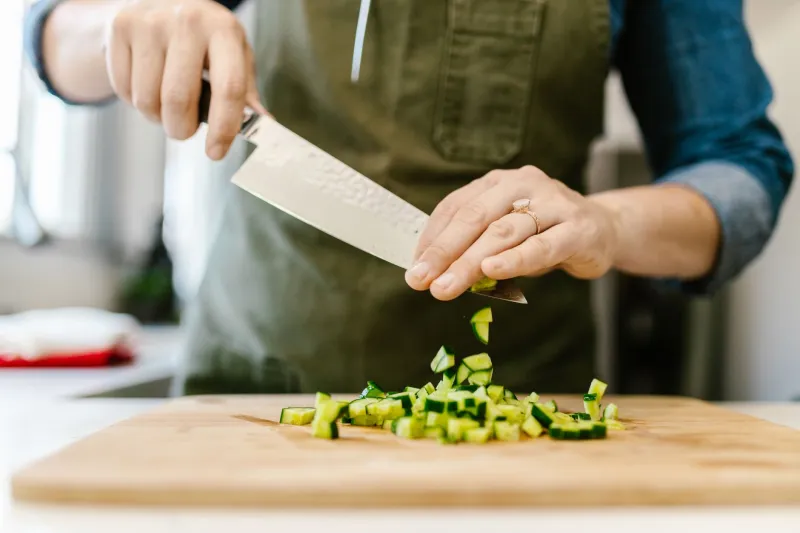
Photo by Photo by Jelly Marketing on Unsplash on Unsplash
You book a cookery class for the pastry. Or the knife skills. Or because a voucher has been sitting in a drawer since last Christmas. Then you arrive, tie on an apron, and discover the most useful thing in the room is not the tutor's demo. It is the stranger at the next bench.
That is not a sentimental point. It is practical. A video can show you a perfect dice; it cannot show you what a slightly panicked dice looks like at 7pm on a Tuesday. A recipe can tell you to sweat the onions; it cannot let you hear the difference between sweating and frying. But the person next to you can. And so can you, watching them.
Mixed benches, better instincts
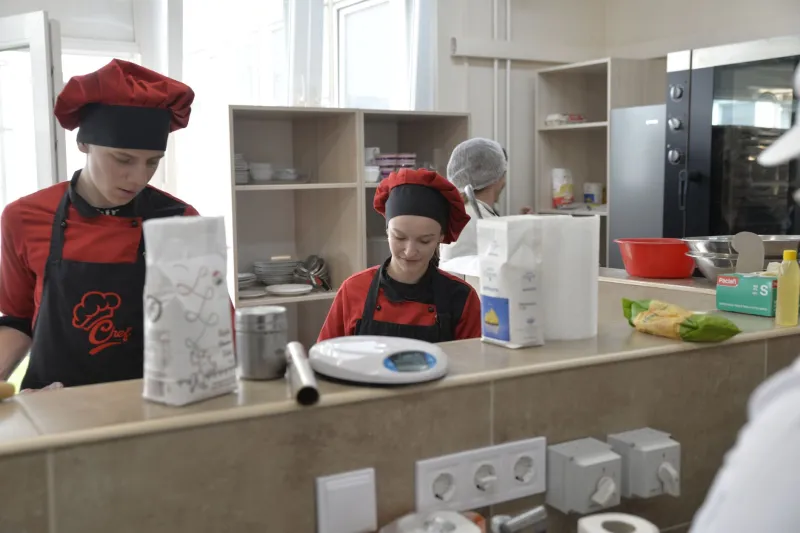
Mixed-ability groups get a bad reputation. People imagine the confident cook racing ahead while the beginner quietly falls behind. In reality, a mixed room is one of the most useful things you can pay for. In a class of twelve, you get twelve versions of the same task. You see someone hold the knife differently. You hear someone ask the question you were too embarrassed to ask. You watch the tutor adjust a pan for a person whose hob at home is nothing like the one in the studio.
That is not chaos. It is a live library of small variations. Recipes tend to present one right way. A room full of people doing the same job slightly differently shows you what actually matters and what is just habit.
You learn from other people's near-misses
Nobody wants to watch someone burn the garlic. But it is oddly useful. You see the colour change, smell the sharp turn, hear the tutor say, 'That is the moment — off the heat.' Next time, your own garlic comes out a few seconds earlier. You have not just been told about the moment; you have watched it happen to someone else.
There is a name for this in teaching, but you do not need the theory to feel it working. When you cook alone, your mistakes are private and easy to repeat. In a class, they become shared information. Someone else's split sauce is your free lesson. Your overworked pastry is someone else's warning. The bench becomes a small, temporary kitchen where nobody has to pretend they never get it wrong.
What to do if you feel behind
First, say so. Tutors are used to mixed rooms and can usually tell before you do. A quiet word at the start — 'I am a proper beginner' — gives them permission to check in without making a scene. Second, pair up if the class allows it. Watching someone else shape a loaf or fold a dumpling is often faster than watching a demo from across the room.
Third, stop treating the loudest person as the benchmark. There is always one person who has done the class before, or who cooks competitively at home, or who simply moves fast. They are not the standard. Your standard is the next attempt. If you are really lost, ask for a two-minute reset. Most tutors would rather give you that than watch you struggle silently for an hour.
Taking the bench home
You do not need to book a class every week to keep the classmate effect going. Cook with a friend once a month, even if it is just a Tuesday pasta. Narrate what you are doing out loud when you try a new technique; it slows you down and makes you notice what you actually know. Compare notes with someone after you both cook the same recipe. Keep a scruffy notebook of what worked and what did not, and let other people write in it.
The class ends. The bench does not have to. Book the next one for the skill, but stay for the strangers. They are part of the equipment.