The Cookery Classes That Pay You Back Every Week
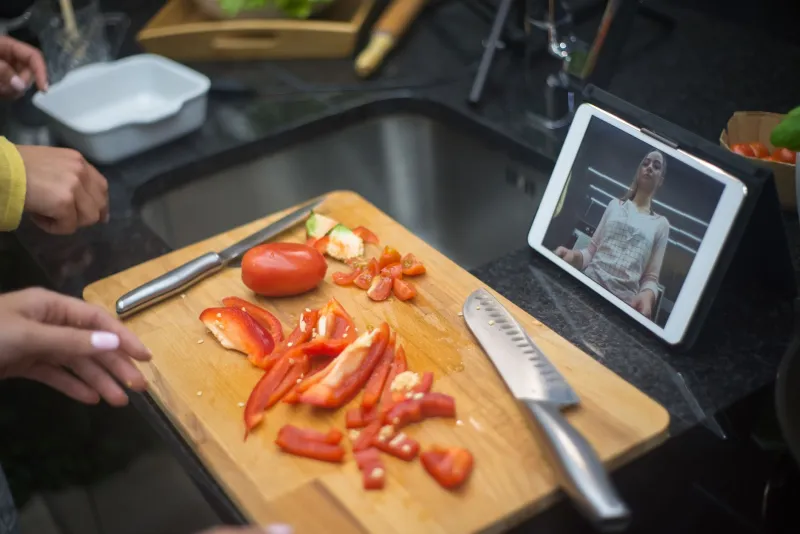
There is a particular kind of optimism that comes with booking a cookery course. You picture yourself coming home with a new skill, a neat apron and a calmer approach to dinner. Sometimes that happens. Sometimes you spend three hours watching someone else sear a scallop while you balance a glass of wine and wonder what is for tea on Tuesday.
At Courses4Cooks, we are not against a fun foodie afternoon. We are simply keen on classes that keep working after the last plate is cleared. These are the five course types that tend to pay you back every week, and the ones we would happily skip until the basics feel solid.
Start with a knife skills course, even if it sounds boring
A good knife skills class is the least glamorous booking on this list and probably the most useful. It teaches you how to hold the blade, curl your guiding hand, cut safely and stop wrestling with an onion. You will also learn that a sharp knife is safer than a blunt one, which is the sort of fact that makes you rethink your kitchen drawer.
This course suits almost every home cook, from the person who dices carrots into uneven boulders to the confident cook who still slows down when a recipe says julienne. When you are reading a UK class listing, look for hands-on time, a small group and a tutor who checks your grip rather than just demonstrating at the front. Ask whether left-handed support is available if you need it, and check whether knives and ingredients are provided. A local adult education centre or a cookery school in Manchester, Bristol or Leeds can be just as good as a big-name venue if the teaching is careful.
Practice at home with a bag of onions and a few carrots. Nothing fancy. Just repeat the cuts until they feel less like a test.
Learn a handful of foundational sauces
Sauces are where a lot of home cooks lose confidence. A pan sauce goes split, a white sauce goes lumpy, and suddenly the recipe feels like chemistry homework. A foundational sauces course should cover a few dependable ideas: a roux, a simple tomato sauce, a vinaigrette, a pan sauce and perhaps a curry base you can adapt. The point is not to memorise dozens of recipes. It is to understand what thickens, what sharpens and what brings a plate together.
This suits cooks who can follow a recipe but panic when they need to improvise. Look for a class that explains why things work, not just what to stir. A good listing will mention the sauces being made, the group size and whether you take samples or recipes home. If the course is all demonstration and no chopping, whisking or tasting, think twice.
Book a bread course that fits real life
Bread classes can be wonderfully therapeutic, but they can also be a whole-day commitment that leaves you with a sourdough starter and no plan for Tuesday. Choose a course that matches your actual life. A one-day bread basics class covering yeast dough, shaping and proving is a brilliant start. A sourdough course is better once you know your way around a dough and can cope with a starter that needs feeding like a small, floury pet.
Look for small groups, dough you can take home, clear timings and a tutor who talks about room temperature and flour without making it sound mystical. A class in a community kitchen or a regional cookery school can be excellent value. Practice by making a simple loaf twice in the month after the course. The second attempt is where the learning really sticks.
Take a batch cooking class before your freezer gives up
Batch cooking has a slightly dull reputation, but a good course is a practical lifeline for busy households. It should cover portioning, cooling, labelling, freezer safety and how to build meals that do not taste like leftovers by Thursday. The best classes also teach you how to vary a base recipe so you are not eating the same chilli for a fortnight.
This suits anyone who cooks for a family, works odd hours or simply wants fewer last-minute takeaway decisions. Check whether the course includes freezer-friendly recipes, food safety guidance and containers or storage advice. A class that only teaches you to cook a giant pot of one thing is less useful than one that shows you how to build a small repertoire.
Get to grips with fish prep
Fish prep is the confidence unlock many home cooks avoid. A good class covers buying, storing, filleting or skinning, and a couple of simple cooking methods. It does not need to turn you into a fishmonger. It just needs to make a piece of fish feel less intimidating and less expensive to ruin.
Look for a course with a reputable supplier, clear safety guidance and plenty of hands-on time. Ask whether the fish is sustainable and whether you will work with whole fish or fillets. This is a particularly good class for cooks who love eating fish but default to the same oven-baked salmon every time.
The flashy classes you can happily skip for now
We are not saying every celebrity demonstration or luxury masterclass is a waste of money. If you want a brilliant night out with excellent food, book it and enjoy yourself. Just do not confuse it with foundational training. A three-hour class promising Michelin-style plating rarely gives you enough repetition to change your cooking at home. The same goes for gadget-led classes that sell the equipment more than the skill, and advanced pastry masterclasses when you have not yet nailed a simple sponge.
These experiences can be lovely. They are just not the best first step if your goal is kitchen confidence. Start with the skills you will use on a normal Wednesday.
How to read a UK course listing without getting swept up
Look past the glossy photos. Check the hands-on ratio, the maximum class size, the tutor’s experience and what is included. A clear listing tells you the level, the length, the ingredients, the equipment and the cancellation policy. It also tells you whether you will be cooking or mostly watching. If you are travelling by train, check the journey from the station. If you have accessibility needs, ask directly rather than hoping the website covers it.
The sensible order is simple: knife skills first, then sauces, then batch cooking or bread, then fish prep. Book one course, practise for a few weeks, then choose the next. That way the courses become part of your kitchen rather than a nice memory in a drawer of recipe handouts.