Your Nose Knows Before the Timer Does: Sensory Cues That Make You a Calmer Cook

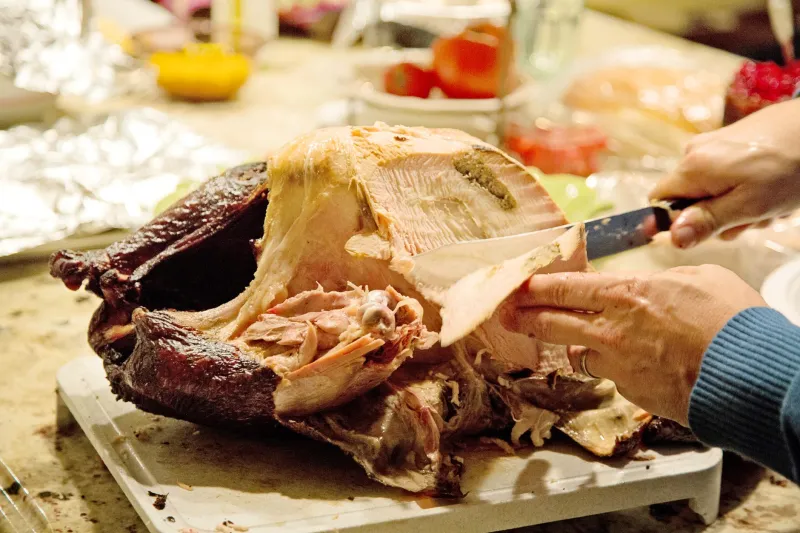
Photo by Photo by The Ridge Ohio on Unsplash on Unsplash
December kitchens are noisy. The extractor fan is roaring, the radio is on, someone is asking where the foil is, and every recipe you own seems to say 'roast until golden' as if golden were a precise unit of time. This is when a sensory cookery class earns its keep.
Because the best cooks are not really following the timer. They are reading the room. They are listening to the pan, smelling the garlic before it turns, feeling the dough before it proves. A recipe can give you a starting point, but a class can train the instincts that tell you when to ignore it.
Why a recipe cannot hear your pan
Two ovens run hot. Two pans have different thicknesses. Two batches of potatoes have different water content. A recipe says simmer for twenty minutes, but your pan is rattling like a train and the sauce is catching. The recipe is not wrong. It just cannot hear your kitchen.
That is the gap a sensory class fills. The tutor does not say 'cook until golden' and leave it there. They say, 'Listen — it should be a low, lazy blip, not a hard rattle.' They pass round a spoon of burnt garlic so you know the smell. They get you to press the dough with a finger and feel the spring. You are not memorising times. You are learning to notice.
What a tutor actually teaches
A good sensory tutor will slow you down. They will turn off the music for a minute and ask you to listen to the onions. They will show you the difference between oil that is shimmering and oil that is smoking. They will make you smell the pan at three stages: raw, sweet and sharp. That sharp note is the warning. It is the moment before burnt garlic ruins the whole dish.
They will also teach you that sensory cooking is not vague or mystical. It is specific. A gentle simmer sounds like small bubbles breaking at the surface. A frying pan sounds like a steady hiss, not a spit. A roast chicken smells different when the skin is rendering and when it is catching. Once you have heard and smelled those differences in a class, you start noticing them at home.
Three exercises to try at home
1. Listen to a simmer
Bring a pan of water to a boil, then turn it down until the bubbles are small and steady. Listen. That is a simmer. Now turn it up until it rattles. That is a boil. Cook your next soup or stew at the first sound, not the second. You will notice the difference in texture and in how often you have to stir.
2. Smell garlic through the turn
Warm a little oil in a pan and add sliced garlic. Smell it raw, then sweet, then sharp. The sharp note is the one you want to catch. Take the pan off the heat as soon as you smell it. Do this once with a single clove and you will never rely on a timer for garlic again.
3. Feel the dough
If you bake bread, press a finger into proved dough. It should spring back slowly. If it springs back fast, it needs a little longer. If it does not spring back at all, it has gone too far. For pastry, feel for cool and smooth rather than warm and sticky. Your hands are better thermometers than you think.
Turn the music down
Not forever. But for one cook a week, turn off the podcast and the radio. Listen to the pan. Smell the oven before you open it. Touch the vegetables to see if they are tender. You will feel a bit ridiculous for the first ten minutes. Then you will start to notice things you have been missing for years.
Why book a class
Because a tutor can correct your instincts in real time. They can tell you that your pan is too hot before the oil smokes, or that your dough is too warm before you add more flour. They can put the burnt garlic under your nose and say, 'That is the smell.' You cannot get that from a video, and you cannot get it from a recipe.
With Christmas dinner on the horizon, a sensory class is not a luxury. It is the difference between a kitchen that feels like a controlled operation and one that feels like a smoke alarm waiting to happen. Book a class where you cook in a real kitchen, with real heat and real noise. Then turn the music down and trust your nose.